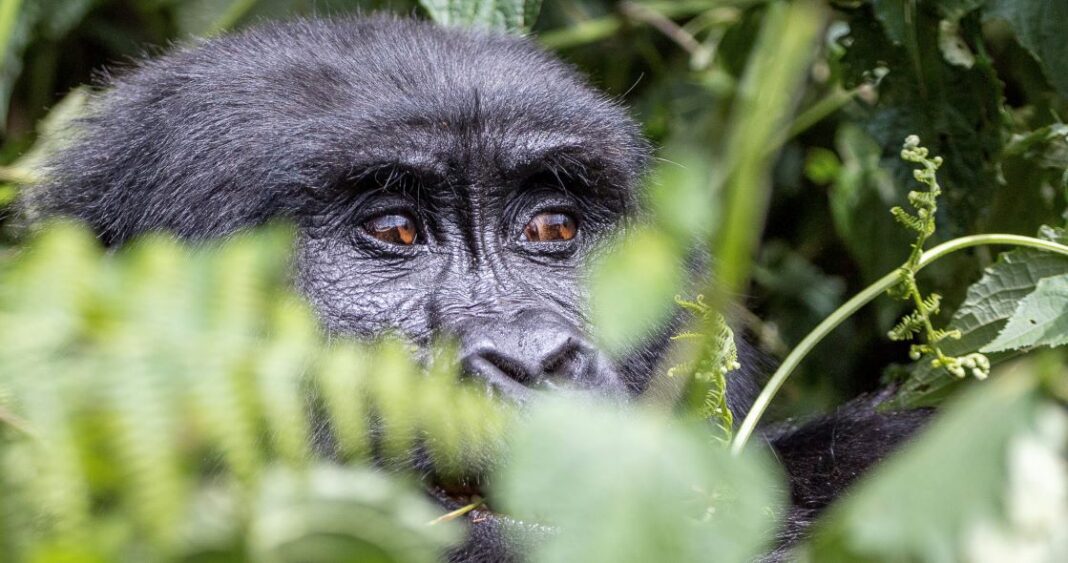
Mountain gorilla trekking is one of the most extraordinary wildlife experiences in the world. Few moments compare to standing quietly in a misty tropical forest observing a family of wild mountain gorillas just 7 meters away.
Today, the remaining mountain gorillas live only in a small region of East and Central Africa within protected national parks in Uganda, Rwanda, and the DR Congo. Uganda and Rwanda offer the most stable and accessible opportunities for travelers intending to see the gorillas.
This guide explores the best mountain gorilla trekking destinations in Uganda and Rwanda and helps you understand where to go, what to expect, and how to plan your unforgettable gorilla safari.
Gorilla Trekking In Uganda
Uganda is considered one of the best destinations in Africa for gorilla trekking. The country protects over half of the world’s remaining mountain gorillas and offers incredible rainforest landscapes where these primates thrive. Travelers can trek gorillas in two national parks in southwestern Uganda which include Bwindi Impenetrable and Mgahinga Gorilla naitional parks.
Both parks provide unique trekking experiences and are managed under strict conservation programs that protect gorillas while allowing responsible tourism through the Uganda Wildlife Authority (UWA).
Gorilla Trekking in Bwindi
Bwindi Impenetrable National Park is the most famous gorilla trekking destination in Uganda and one of the most important gorilla habitats in the world. The ancient tropical forest, recognized as a UNESCO World Heritage Site, is home to the largest population of mountain gorillas. Dense vegetation, mist-covered hills, and dramatic valleys make Bwindi one of Africa’s most breathtaking trekking environments.
Gorilla trekking in Bwindi takes place in four main sectors which include Buhoma, Ruhija, Rushaga, and Nkuringo. Each sector hosts habituated gorilla families that visitors can track with trained rangers and guides. In addition to gorilla trekking, Bwindi also offers excellent opportunities for birdwatching, forest walks, and cultural encounters with the Batwa community.
Mgahinga Gorilla National Park
For travelers seeking fewer crowds and dramatic landscapes, Mgahinga is a wonderful alternative to Bwindi. Mgahinga Gorilla national park forms part of the larger Virunga Mountain range and therefore offers opportunities to track gorillas in the Virunga Volcanoes. Although smaller than Bwindi, Mgahinga offers spectacular scenery with dramatic volcanic peaks and bamboo forests. The park is home to the Nyakagezi gorilla family, a well-habituated group that visitors can track during guided treks.
Mgahinga also provides other unique wildlife experiences, including Golden monkey tracking, Volcano hiking, birdwatching in montane forests, and Batwa Trail.
Gorilla Trekking in Rwanda
Rwanda is another exceptional destination for mountain gorilla trekking, offering easier access from the capital city Kigali and well-developed tourism infrastructure. Gorilla trekking in Rwanda takes place in Volcanoe national park. This park lies within the Virunga Mountains and is famous for its successful gorilla conservation programs. Having gained international recognition through the work of primatologist Dian Fossey, whose research and conservation efforts helped protect mountain gorillas from extinction. The park’s strength lies in strong conservation practices and high-end lodges making Rwanda a popular destination for luxury gorilla safaris.
Uganda vs Rwanda Gorilla Trekking – Which Is Better?
Both countries offer extraordinary gorilla trekking experiences, but they differ in cost, terrain, and travel style.
| Feature | Uganda | Rwanda |
|---|---|---|
| Gorilla permit price | Lower cost at $800 pp | Higher cost at $1,500 pp |
| Gorilla families | More groups available about 22 | Fewer groups about 10 |
| Trekking terrain | Dense rainforest | Volcanic slopes |
| Safari costs | Generally more affordable | Often luxury-focused |
Uganda is often preferred by travelers looking for a more diverse safari that combines gorilla trekking with wildlife safaris and chimpanzee tracking. Rwanda, on the other hand, offers shorter travel times and a more luxury-focused safari experience.
What to Expect on a Gorilla Trek
Gorilla trekking begins early in the morning with a briefing from park rangers. Visitors are assigned to small groups of up to eight people and guided through the forest in search of a specific gorilla family. Treks can last from one to several hours depending on the gorillas’ location. Once the gorillas are found, visitors are allowed to spend one unforgettable hour observing them. During this time, you may see gorillas feeding, grooming, playing, or interacting within the family group. Because mountain gorillas share about 98% of their DNA with humans, watching their behavior up close is a deeply moving experience.
Best Time for Gorilla Trekking
Gorilla trekking is possible throughout the year, but the dry seasons are generally considered the best times to visit. With the most popular months being June to September and December to February. During these periods, forest trails are easier to navigate and trekking conditions are more comfortable. However, gorilla trekking remains rewarding year-round since gorillas live permanently within the parks.
Planning Your Gorilla Trekking Safari
Because gorilla trekking permits are limited and highly sought after, travelers should plan their safaris well in advance. A safari company typically assists with securing gorilla permits, arranging transportation, booking accommodation near the trekking sectors, and organizing professional guides to take you there. Many travelers also combine gorilla trekking with other Uganda or Rwanda safari experiences such as wildlife viewing, chimpanzee trekking, and birdwatching.
The team at Priscy Adventures can help you plan a personalized gorilla trekking safari that combines breathtaking wildlife, bird watching safaris, comfortable lodges, and unforgettable experiences across East Africa.
Contact us today to begin planning your gorilla trekking adventure.